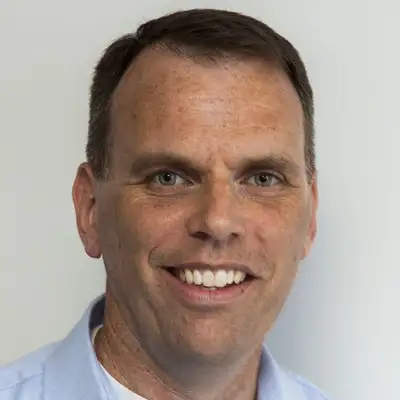
Episode 025: Fifteen Years on the Front Line, MIT, and a Car Crash That Started It All with Murray Smith
Episode Summary
Murray Smith did not plan any of it. He finished high school, got accepted into chemical engineering, lasted two months, went home and told his mum he was done, and ended up in the Victoria Police because he thought he might like helping people until he figured out what he actually wanted to do. Fifteen years later he was still there, and everything that happened in between is the reason he is where he is today.
The early years were the kind that build a person in ways no classroom can replicate. Within his first year on the force, a serious car accident left him with fractured kneecaps, additional injuries, and a blood clot that put him back in hospital on blood thinners. He returned to work a month after clearing the blood thinners and within his first shift walked into a two hundred person brawl, had his arm broken in the first minute, had people attempting to grab his firearm, and finished the entire shift before realizing the arm was actually broken. Weeks later, while chasing a car thief through a high-rise stairwell at night, he ended up in a sustained fight, covered in the offender's blood through cuts on his hands, and was told by the man he had just restrained that he had AIDS. He spent three months waiting to find out whether he had contracted hepatitis C. He had not.
None of that broke him. What it did was make him ask a question that changed everything. He was lying in a hospital bed, genuinely loving the job, not even sure what day he got paid, and he thought: what am I going to do if I can't do this? That question sent him back to university part time while still on shift work. Then a postgraduate degree. Then a Harvard executive program. Then an MBA at MIT's Sloan Fellows Program, where he sat alongside people who had refinanced entire countries and chose to feel the discomfort of being the least financially literate person in the room rather than take the path that would have been easier. Then a return to Australia, a copy of Traction handed to him by a friend, and the decision to become an EOS implementer.
Today Murray runs Grip Six Implementation out of Geelong, Australia's first and most experienced EOS implementer, with over four hundred and fifty sessions delivered and more than sixty businesses running on the system he teaches. He also co-founded the Independent Executives to close the integrator gap for EOS companies worldwide and runs the Integrator Academy and Global Integrator Awards. This episode is for any founder who has ever felt like they were running the same quarter twelve times in a row and needed someone to tell them there is a system for this.
In This Episode, You'll Discover:
- How Murray landed in the Victoria Police at eighteen without a plan, why he thought it would be temporary, and what fifteen years of front-line detective work, drug task force assignments, and earned commendations actually built in him
- The car accident in his first year on the job that sent him to hospital with fractured kneecaps, a blood clot, and six months off work, and the question he asked from the hospital bed that sent him back to university
- Returning to work after the car accident, walking into a two hundred person brawl on his first month back, having his arm broken in the first minute, finishing the full shift before realizing it was broken, then finding out weeks later he may have been exposed to hepatitis C in a stairwell chase
- Why Murray chose MIT over Harvard when he got accepted to both, how being the least financially literate person in the room tested him daily, and the mantra that got him through every exam he was not sure he could pass
- What EOS is, how the Entrepreneurial Operating System actually works in practice beyond vision statements on walls, and why the hardest part of implementation is not the tools but the execution and accountability
- How Murray spotted EOS early in Australia when there were only a handful of implementers, why he committed fully to it, and how he knew the principles would never become redundant
- Why Murray believes consistency beats motivation, how it plays out in his sessions with business owners, and what happens when leaders delay the hard conversation with a problem performer for twelve months because they are not motivated to have it
- The toxic executive team experience Murray is most grateful for, why it taught him more about who he did not want to be than anything else, and how that season directly shaped the quality of what he builds with clients today
Key Takeaways:
- Ask What Happens If You Can't Do This Anymore. Murray was genuinely loving the job, not even tracking his pay days, when a car accident put him in hospital and forced the question. He did not wait for the answer to be forced on him. He got a qualification, then another, then another. The best time to build an exit ramp is before you need one.
- Go to the Place That Will Hurt You Most. Murray had the option of Harvard or MIT. He chose MIT because it would be harder for him. His gap was finance and numbers. MIT would expose that gap every day. Most people optimize for comfort, even when they dress it up in ambition. Murray optimized for growth. The two are not the same thing.
- Always in the Fight. This is the mantra Murray carried from Brent Gleason through every exam at MIT he was not sure he could pass. You are here. They selected you. Own it and get on with it. The imposter syndrome does not go away by feeling more confident. It goes away by deciding you are in the fight and writing stuff down anyway.
- Consistency Beats Motivation Every Time. Anyone can show up when they feel like it. The separator is showing up when they do not. Murray applies this to everything from business leadership to the hard conversation with the problem performer that has been costing money for twelve months. Motivation waits until you feel ready. Consistency does not wait.
- Know What You Control and Work That Space. Whether he was in a toxic government team or navigating a dysfunctional executive group, Murray's approach was always the same. Map the boundary of what you control. Maximize everything inside it. Accept what is outside it without wasting energy raging against it. This is not passivity. It is precision.
- Turn the Tables on Expectations. Murray's standard when joining a new team was to tell his direct reports his expectations and then ask what their expectations of him were. Most leaders do not ask that question because they are not sure they want the honest answer. Murray did, and the answers were revealing enough to change the course of entire working relationships in a single conversation.
- Simple Is Not the Same as Easy. EOS tools are not complicated. Vision, traction, health. Clear values, right people in right seats, numbers you actually look at, issues you actually solve. Every founder who hears this thinks they are already doing it. The gap between thinking you do it and actually doing it consistently is where most businesses live. That gap is what Murray closes.
- Push Through. Murray told his six-year-old son with a sprained ankle on the way to school to just push through. Not because it did not hurt. Because stopping does not make it stop hurting, it just means you stopped. That has been his operating principle from the first brawl to the MIT exam to building a practice in a country where EOS was barely known.
Timestamps:
- [00:00] Karl introduces Murray Smith: fifteen years Victoria Police, detective, task force, commendations, MBA from MIT, EOS implementer, Grip Six, Independent Executives, Integrator Academy
- [03:00] How Murray ended up in the police at eighteen: chemical engineering lasted two months, mum said get a job, figured police would work until something better came along
- [06:00] The early years: nine months in and already the most senior person on the patrol car, learning on the fly and trying not to get killed
- [09:00] The car accident: driving to backup colleagues, colliding with a large truck, fractured kneecaps, blood clot, six months off work
- [13:00] The question from the hospital bed: what am I going to do if I can't do this? And how that question became the foundation of everything that followed
- [17:00] Back to work one month later: the two hundred person brawl, arm broken in the first minute, firearm grabs, finishing the shift before realizing the arm was broken
- [22:00] The stairwell chase: hepatitis C exposure risk, three months of tests, the outcome, and why Murray calls this period just winter
- [27:00] The drug task force years, detective work, finally getting to the Badlands, and the petrol bomb through the back door of the police station
- [31:00] Karl's ad break: The Grit Code Exposed at https://gritcodeexposed.com
- [32:00] Part time university while on shift work: criminal justice administration, how it changed his perspective beyond the qualification
- [36:00] Postgraduate study in human resource management, the itch to study overseas, the Harvard executive program, and deciding he could hack it
- [40:00] Applying to Harvard and MIT, getting accepted to both, and why he chose the one that would be harder for him
- [44:00] MIT Sloan Fellows Program: sitting in the room feeling like the dumbest person there, Brent Gleason and always in the fight, grinding through finance and accounting
- [49:00] The imposter syndrome at MIT and how it resolved: they selected me, I am here, own it and get on with it
- [53:00] The career pivot: an operations manager advertisement his wife showed him, applying to see what he was missing for future promotion, getting the job
- [57:00] Government work frustrations, the itch to go overseas, the Harvard executive program as a test, and the decision to apply to MIT
- [01:01:00] Karl's ad break: The Grit Code Exposed at https://gritcodeexposed.com
- [01:02:00] Coming back from MIT, an interim executive role paying the bills, a friend handing him a copy of Traction, and the decision to become an EOS implementer
- [01:06:00] What EOS is: vision, traction, health, right people in right seats, numbers that mean something, issues that actually get solved, and accountability with rhythm
- [01:11:00] Why Murray planted his flag in EOS: principles that will never become redundant, a wave worth riding, and a full circle moment of helping people in a different way
- [01:15:00] Working with dysfunctional executive teams: knowing what you control, maximizing that space, not raging against the machine
- [01:19:00] Turning the tables on expectations: asking what direct reports expect of him, the revealing conversation that followed, and the matter-of-fact response that shocked everyone
- [01:23:00] Consistency beats motivation: the twelve-month problem performer and why motivation-based leadership delays every hard decision
- [01:27:00] Grit defined for this season: you know it might be really hard, you do not know the outcome, you do it anyway
- [01:28:00] Subtraction: removing negative and toxic people from your orbit, even when they are close, and why the Muppets balcony image is enough to make the decision
- [01:30:00] The directive: push through, and the story of Charlie's sprained ankle on the way to school
- [01:32:00] Murray's question for the next guest: how much of your life was planned and how much of it was luck?
- [01:33:00] Carly's question from Episode 24: what was a season of life that was horrible in the moment but you can now say thank you for?
- [01:35:00] Murray's answer: the toxic executive team that taught him everything about who he did not want to be
- [01:37:00] Where to find Murray and Karl's close
Resources & Links:
- Book: "Traction" by Gino Wickman (the book a friend handed Murray that led him to become an EOS implementer)
- Challenge: The Grit Code Exposed at https://gritcodeexposed.com
Connect with Murray Smith:
- Website: https://www.grip6.com.au
- LinkedIn: https://www.linkedin.com/in/murraydsmith/
- YouTube: https://www.youtube.com/@certifiedeosimplementer-mu7420
Connect with Karl Jacobi:
- Website: https://successwithkarl.com
- LinkedIn: https://www.linkedin.com/in/karljacobi
- Facebook: https://www.facebook.com/karl.jacobi
- Instagram: https://www.instagram.com/successwithkarl
- YouTube: https://www.youtube.com/@KarlJacobi
- TikTok: https://www.tiktok.com/@successwithkarlj
Creators and Guests
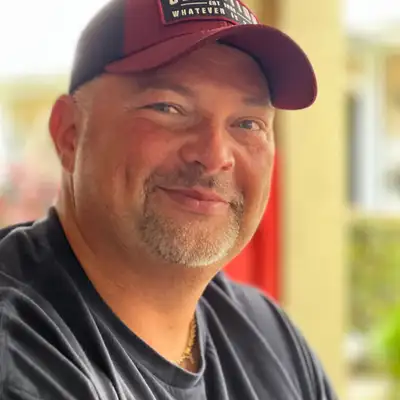
Host
Karl Jacobi
Host of The Grit Factor Podcast, Resilience & Performance Coach, Founder, Entrepreneur, Combat Veteran